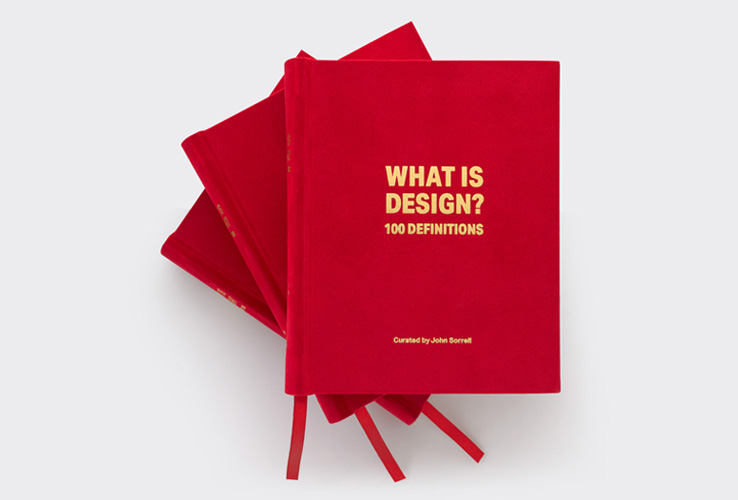

Gold Best Creative Strategy Transform Awards
Gold CityWealth Brand & Marketing Awards
Silver DBA Design Effectiveness Awards
Every branding project we do starts with strategy. Not because we have to, but because everything that follows – the identity, the website, the tone of voice, the way the organisation talks about itself – depends on it being right.
Most organisations have something they call a brand strategy: a mission statement, a set of values, a list of personality traits. Most of it goes unused. It sits in a document that nobody reads and describes what the organisation wants to be rather than what it actually is.
We do it differently. We build brand strategy around a core story: a single, clear narrative that captures who you are, why you matter and what sets you apart. Specific enough to be honest. Compelling enough to be useful. Short enough to be remembered.
What makes brand strategy succeed
Most brand strategies fail because they mistake activity for clarity. They produce documents full of missions, visions and values that nobody can remember and nobody uses.
Our approach starts with research: in-depth interviews with leaders, clients and staff to find what is genuinely true and distinctive about the organisation – not what people want to say about themselves, but what people who work with them already know to be true.
From that research we build the core story. One piece of writing that establishes who you are, what you do, why you are different, and why anyone should care. It can be used immediately: on the website, in the pitch, in the job ad, in the awards entry.
A core story is not a strapline. It is the foundation for everything else.
When your strategy is holding you back
01 / Your people can’t agree on what makes you different
Ask ten people in your organisation to describe what sets it apart and you get ten different answers. A core story fixes that – giving everyone a shared, credible answer they can actually use.
02 / You’re winning on relationships, not reputation
When new business depends on who you know rather than what people know about you, your brand is not working hard enough. Strategy is what makes the brand work when you are not in the room.
03 / You look and sound like your competitors
If you removed your name from your website and put a competitor’s there instead, would anyone notice? If not, your positioning is not doing its job. Strategy is what makes that difference visible.
04 / You are going through change
New leadership, a merger, a new market. Change is the moment to get the strategy right, because everything that follows, the identity, the communications, the culture, depends on the foundations being clear.
What we do
Research and immersion
In-depth interviews with leaders, clients and staff, the people who know the organisation best and will tell us things that do not appear in the brief.
Competitive analysis
A structured review of how your competitors position themselves, so we can see clearly where the genuine points of difference are.
Core story development
The single narrative that captures who you are and why you matter. The foundation for every piece of communication that follows.
Messaging framework
How the core story translates into key messages for different audiences, clients, talent, investors, partners.
Tone of voice principles
The language and personality that brings the strategy to life in everything you write and say.
A full-service London law firm that had outgrown its positioning. The strategy brief was to find what genuinely differentiated Hunters and build a brand confident enough to compete with the major City firms. The result was a positioning built around people and relationships that drove +33% revenue growth and +224% website enquiries.
A multi-disciplinary construction consultancy with a strong track record and a brand that did not reflect it. We asked big questions of their team and clients to find what was genuinely true about the business. The McBains Code, a set of guiding principles linking past, present and future, became the foundation for a complete rebrand. Turnover up 81% in five years.
A leading London law firm celebrating its fiftieth birthday with a brand that had not kept pace. The strategy brief was to find a positioning that reflected Anthony Gold’s ambition, not just its legal aid roots. The rebrand was built around ‘When you need an individual approach.’ Turnover has more than doubled since 2012.
Frequently asked questions
What is a core story?
A core story is a single piece of writing, usually one to two paragraphs, that captures who the organisation is, what it stands for, why it is different and why anyone should care. It is not a mission statement or a tagline. It is the foundation from which all other communications are built. Every message, every piece of copy, every conversation should be traceable back to it.
Do you always do strategy before identity?
Yes. We will not start identity work without a clear strategic foundation. The identity is the visual expression of the strategy, if the strategy is unclear, the identity will be unclear. Getting the strategy right first means the identity work is faster, more focused and more likely to be right first time.
How long does brand strategy take?
A full brand strategy programme, including research, core story development and messaging framework, typically takes six to ten weeks. If the organisation is large or complex, or if the research phase involves many stakeholders, allow longer. The research is where the time goes, and it is worth it.
Can we do strategy without doing a full rebrand?
Yes. Some organisations commission a brand strategy to clarify their positioning before they are ready to act on it visually. Others use the core story to improve their communications without changing the identity at all. Strategy is always useful, regardless of what comes next.